
Guide to Medical Coding Revenue Leakage Prevention
Medical coding revenue leakage is rarely one giant mistake. It is death by a thousand cuts: a missing modifier, an uncaptured supply, documentation that fails medical necessity, a claim edit ignored, an audit trail too thin to defend. The worst part is that leakage often looks like “normal denial volume” until AR ages out and the money is unrecoverable. This guide gives you a prevention-first system: how to spot leakage early, tie it to root cause, and build controls that hold up under payer scrutiny and compliance audits.
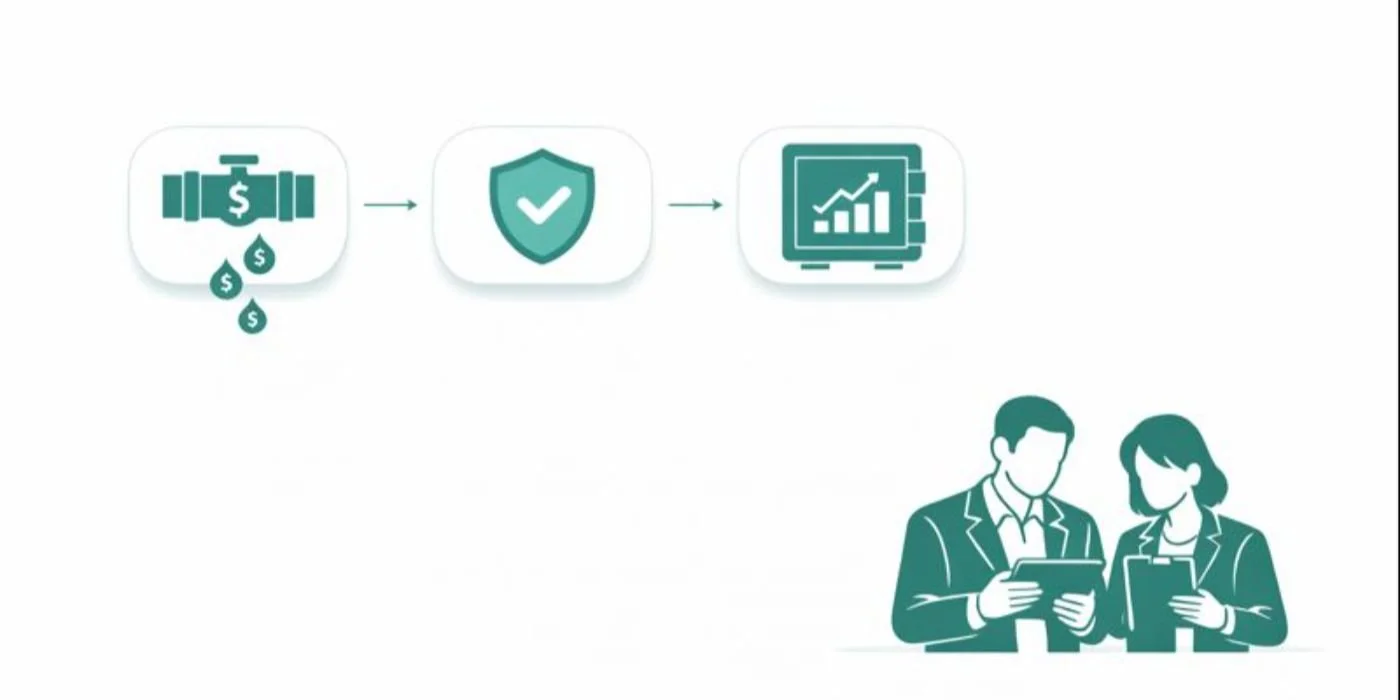
1) Revenue Leakage in Medical Coding: The 10 Places Money Disappears Quietly
Revenue leakage happens when work is performed, documented, and even coded, but reimbursement fails because the claim is not defensible, not complete, or not aligned to payer rules. Most teams discover leakage late, inside the remittance and follow up cycle, because they are not reading the story correctly in the EOB process and they are not tracking the right AR signals. If you want prevention, you need a leakage map, not just denial worklists.
Leak point 1: Documentation that fails medical necessity. If the note does not justify why the service was needed, payers deny even correct codes. Lock this down with a standardized medical necessity framework and provider training rooted in CDI terminology. Then validate the proof trail using audit trail discipline so you can defend the charge.
Leak point 2: Charge capture defects that never reach coding. Many departments bleed revenue because services are not captured, captured late, or linked to the wrong encounter. The fix is system-based. Use standardized claim and intake controls from electronic claims processing plus consistent language from the claims submission terminology guide. When leakage is real, it shows up as avoidable rework inside AR follow up.
Leak point 3: Modifier misuse and bundling conflicts. Payers do not “hate your coding.” They enforce policy logic. If your team treats modifier rules as optional, leakage becomes permanent. Build specialty playbooks using references such as cardiology CPT guidance and radiology coding reference, then enforce consistency using coding QA standards. Document decisions so the audit trail holds up.
Leak point 4: Eligibility and payer setup errors. If eligibility, COB, or demographics are wrong, your coding never gets a fair evaluation. This is why denial prevention cannot live only in coding. It must connect to the remit layer using the EOB guide and to workflow ownership inside AR operations. Then tighten intake and claim formatting using electronic claims processing terms.
Leak point 5: Under coding and under billing. Many teams fear audits and quietly under bill. That is still leakage. The prevention approach is not “bill more.” It is “bill what is supported.” Train coders and providers using CDI concepts, validate necessity using medical necessity criteria, and maintain proof using audit trail standards.
Leak point 6: Specialty-specific policy gaps. ED, infusion, dialysis, and transport services have high denial exposure when documentation is weak. Use targeted references like emergency medicine CPT definitions, infusion therapy billing terms, dialysis coding terms, and ambulance transport coding. Then align that work to coding QA.
Leak point 7: Remittance misreads and wrong next steps. If the team misreads payer messaging, they choose the wrong action and lose time. Standardize the remit read using the EOB reference and build a denial taxonomy that maps back to AR workflows. Use the same language as your claims submission terminology.
Leak point 8: Weak internal definitions and inconsistent training. If your team uses different definitions for the same concept, prevention fails. Centralize terminology using medical coding certification terms, standardize audit language using the medical coding audit terms dictionary, and lock documentation vocabulary through CDI terms. Then enforce compliance with QA.
Leak point 9: Compliance blind spots. Leakage can turn into penalties if patterns look like poor controls. Stay ahead by understanding billing compliance violations and aligning your process to what audits look for in audit trend data. Then backstop decisions with audit trails.
Leak point 10: No metrics that prove prevention. If you cannot measure leakage, you cannot reduce it. Use benchmarking context from coding productivity benchmarks and error signals from the coding error rates report. Then tie improvements to revenue cycle efficiency metrics and day to day execution inside AR.
2) Build a Leakage Prevention System: Detect, Classify, Fix, Then Prevent
A professional leakage prevention system does not start in AR. It starts earlier, with controlled inputs and measurable outputs. You need four components: detection, classification, correction, and prevention. Each component ties to specific tools and internal language so your team stops guessing.
Detection: Pull signals from the remittance and posting layer using the EOB framework and connect them to operational impact inside AR tracking. If you only track denial count, you miss leakage. Track denial dollars, repeat reasons, and time to resolve, then benchmark using revenue cycle efficiency metrics.
Classification: Use shared definitions so everyone labels the same defect the same way. This is why a centralized glossary matters. Standardize internal language with coding audit terms, baseline knowledge from the medical coding certification terms dictionary, and documentation vocabulary through CDI terms. Then align classification to payer outcomes in the EOB guide.
Correction: Determine fix and resubmit versus appeal, then build packet quality that matches payer expectations. Your packet and resubmission approach should match claim logic and attachments, supported by claims submission terminology and the practical workflow in electronic claims processing. When documentation is the problem, route it through your CDI workflow language and necessity checkpoints from medical necessity criteria.
Prevention: Once the defect is corrected, you must prevent it. Prevention requires an edit, a template change, a training update, or a role change. The proof is fewer repeats. Use the context of coding error rate patterns and track prevention impact against coding productivity benchmarks. When compliance is relevant, anchor your controls to audit trend insights and compliance penalties risk.
A key professional move is to map each leakage category to an owner. Eligibility issues belong to front end controls and AR workflows. Documentation issues belong to provider training and CDI standards. Coding logic issues belong to specialty playbooks and QA discipline. Submission issues belong to your electronic claims processing controls.
3) High Leakage Areas by Specialty: What to Standardize First
If you try to prevent everything at once, you will prevent nothing. Start with specialties where leakage is both common and expensive. Standardize the top leakage drivers, build checklists, and train consistently.
Emergency medicine: Speed creates defects. Leakage often comes from missing documentation details, inconsistent leveling support, and incomplete procedure capture. Ground your work in accurate terminology from ED CPT definitions and build documentation clarity through CDI standards. Validate outcomes through remittance patterns in the EOB guide.
Cardiology: Leakage often comes from bundling and modifier logic, plus medical necessity support for diagnostic and procedural services. Use cardiology coding guidance and enforce consistent audit proof using audit trail standards. Track repeat issues inside AR follow up.
Radiology: Leakage tends to come from order and result linkage, provider identifiers, and inconsistent billing rules. Standardize using the radiology CPT reference and protect payment by aligning documentation to medical necessity criteria. Build prevention controls into claim edits supported by electronic claims processing.
Gastroenterology: Leakage often appears as bundling reductions, missing modifiers, and under coding due to weak procedure detail. Tighten mapping using GI coding guidance and use coding QA methods to prevent repeat errors. Confirm payer messaging inside the EOB guide.
Infusion and injection therapy: Leakage is often time-based and documentation-based. If time, start and stop, and medical necessity are not explicit, payment collapses. Use infusion therapy billing terms and reinforce documentation through CDI terms. Protect the audit posture through audit trails.
Dialysis and transport: Leakage shows up through frequency policies, coverage criteria, and missing proof. Standardize capture with dialysis coding terms and documentation requirements with ambulance transport coding. Monitor the financial impact through AR trends.
4) The Prevention Controls That Move the Needle (Edits, Templates, QA, and AR Feedback)
To prevent leakage professionally, your controls must do two things: stop defects before submission and make defects visible when they occur. Random training sessions do not do that. Controls do.
Control 1: Documentation templates tied to payment rules.
Build templates that force the clinical facts payers need: severity, objective findings, failed conservative therapy, time, risk, and plan. That is CDI work powered by CDI terms and validated through medical necessity criteria. Then ensure defensibility through audit trails.
Control 2: Mandatory claim edit resolution.
If your system allows staff to bypass edits, your workflow is designed to leak. Tighten this with policy and training rooted in electronic claims processing terms and standardized language from the claims submission guide. Confirm improvement via fewer avoidable remittance issues seen in the EOB flow.
Control 3: QA sampling with targeted focus.
Do not QA everything. QA what leaks. Use coding QA standards and define the audit language using the coding audit terms dictionary. Document findings in audit trails so changes are defensible.
Control 4: AR feedback loop that produces prevention tasks.
AR is not just collections. It is intelligence. Use AR terminology to structure your worklists and tie recurring root causes back to training and edits. Verify payer reasoning through the EOB guide and track time to resolve using revenue cycle metrics.
Control 5: Compliance posture by design.
If your organization is seeing increased scrutiny, prevention must include compliance and audit readiness. Use the risk context from compliance penalties and align controls to audit trends. Then reinforce consistent language across teams using the medical coding certification terms dictionary.

5) Pro Level Metrics: How to Prove You Reduced Leakage (Not Just Worked Denials)
Professional prevention is measurable. If you cannot quantify improvement, leadership will assume the work is routine. Build a leakage dashboard that includes prevention KPIs, not just volume.
Start with baseline pressure indicators from coding productivity benchmarks and root cause context from the coding error rate report. Then track operational outcomes through revenue cycle efficiency metrics and worklist performance in AR.
High value leakage prevention metrics include:
Preventable denial rate (denials tied to missing data, missing docs, edit bypass). Validate via patterns you see in the EOB workflow.
Repeat defect rate by provider and department, then drive training using CDI terminology.
Modifier defect rate in high-risk specialties, tied to playbooks such as cardiology CPT coding and GI procedure coding.
Documentation defect rate tied to medical necessity criteria and validated through audit trails.
Days to resolve by denial category, tied to AR performance.
To present professionally, convert your metrics into outcomes: fewer repeats, faster cash, fewer rebills, better audit readiness, and measurable dollar recovery. Frame compliance outcomes using audit trend insights and risk awareness from compliance penalties context.
6) FAQs: Medical Coding Revenue Leakage Prevention
-
Start with the remittance layer. Standardize how you read payers using the EOB guide, then pull the top denial dollars and repeat reasons. Map each reason to the stage that failed: documentation, coding logic, claim submission, or follow up. Use shared definitions from the medical coding certification terms dictionary and route operational impact through AR tracking.
-
Because you corrected the claim, not the system. If the same issues repeat, you need an edit, a template change, or training that forces the missing detail. Documentation repeats require a stronger CDI program using CDI terms and necessity checkpoints using medical necessity criteria. Coding repeats require QA discipline plus audit trail proof.
-
Mandatory resolution of claim edits before submission, combined with documentation templates that capture medical necessity elements. This reduces avoidable denials and stops payer rejections from ever entering AR. Use electronic claims processing terms and claims submission terminology to standardize the workflow. Validate the impact in AR outcomes.
-
Build specialty-specific modifier rules and train for consistency, not aggression. Use targeted references like radiology coding and cardiology CPT guidance, then enforce using coding QA. Document rationale in audit trails so your decisions are defensible.
-
Track preventable denial rate, repeat defect rate, days to resolve, and appeal win rate by category. Tie trends back to edits and training changes. Use benchmarking context from coding productivity and error context from coding error rates. Present results using revenue cycle efficiency metrics and worklist performance from AR.
-
They push you toward stronger controls, better documentation, and tighter audit trails. If your organization is exposed, the cost of weak controls is not only denied claims. It is recoupments and penalties. Use audit trend insights and the risk framing from compliance violations and penalties. Then standardize language and proof using audit terms and audit trails.
